Conservation area

Ngorongoro Crater

Big Five paradise in a volcanic crater

260 km²

AREA

500+

BIRD SPECIES

185 km from Arusha

LOCATION

Mid to Luxury

BUDGET LEVEL
WHY VISIT

Why Ngorongoro Crater

Discover what makes this destination one of Africa’s most extraordinary places

Exceptional Wildlife

Home to diverse species and incredible wildlife encounters year-round.

Photography Paradise

Stunning landscapes and wildlife provide endless opportunities for photography.

Breathtaking Scenery

Dramatic landscapes from open plains to ancient forests and volcanic features.

Authentic Experience

Fewer crowds mean more intimate and genuine safari experiences.

Cultural Heritage

Rich cultural traditions and indigenous communities with ancient customs.

Conservation Success

Protected areas that safeguard endangered species and ecosystems.

ABOUT

Explore Ngorongoro Crater

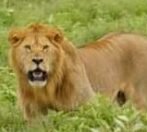
The Ngorongoro Crater is the world’s largest intact volcanic caldera, forming a natural amphitheater 600 meters deep and spanning 260 square kilometers. This UNESCO World Heritage Site shelters over 25,000 animals, including the highest density of lions in Africa and one of the last remaining populations of endangered black rhinos. The crater floor offers exceptional game viewing with its diverse ecosystems ranging from grasslands to lakes.

Wildlife

Wildlife in Ngorongoro Crater

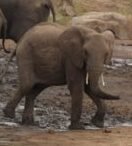
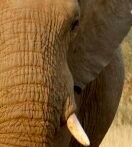
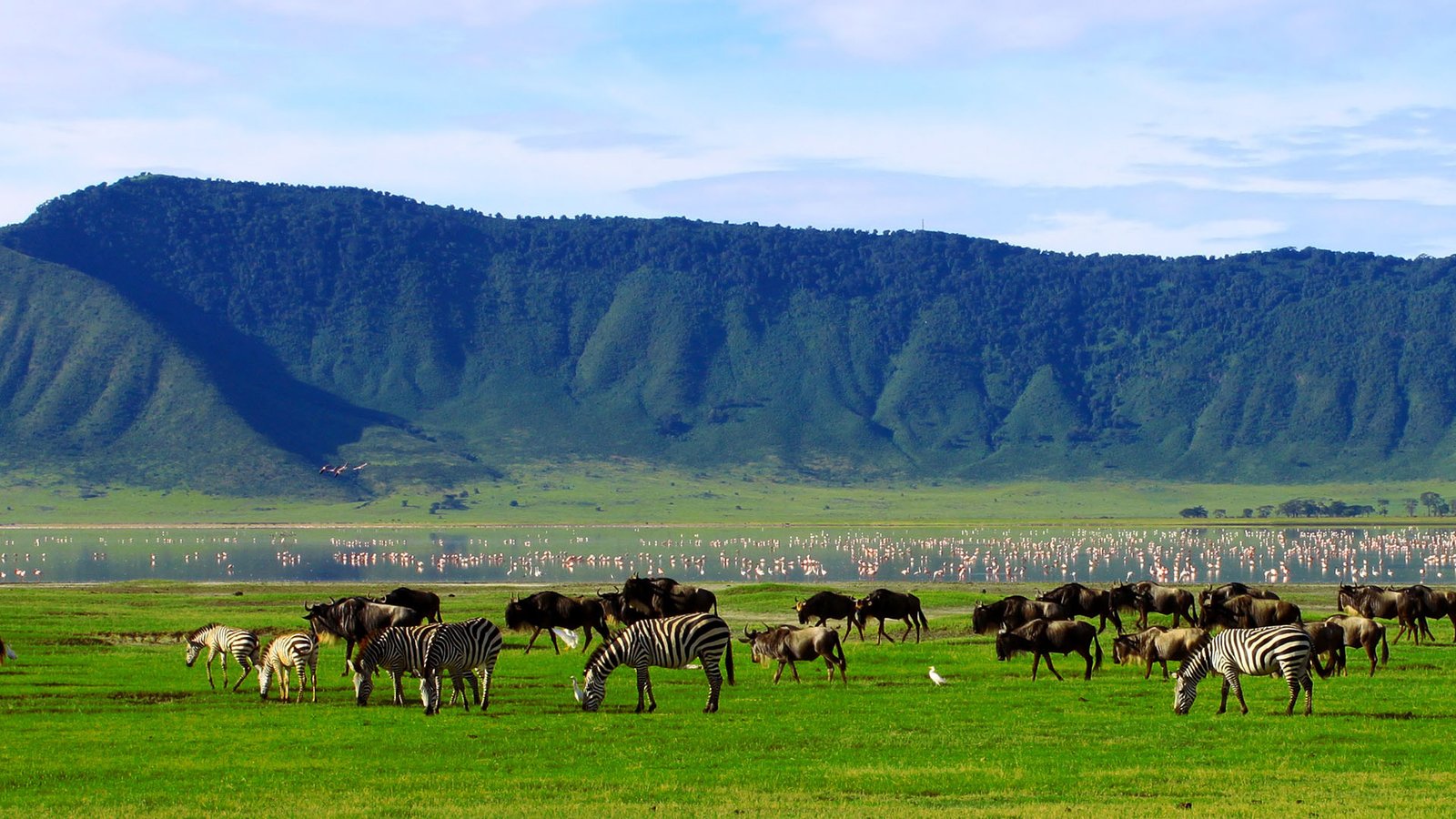
The Ngorongoro Crater is home to approximately 30,000 animals, including all of the Big Five. The crater floor supports one of the densest wildlife populations in Africa, with lions, elephants, buffalo, and the critically endangered black rhino roaming freely across the grasslands. The alkaline Lake Magadi attracts thousands of flamingos, while the surrounding forests harbor leopards, elephants, and diverse birdlife.

Things to Do

Activities in Ngorongoro Crater

Experience the best of this destination with these unforgettable activities

Game Drives

Descend 600 meters into the crater floor for intimate wildlife viewing in this natural amphitheater.

Rhino Tracking

Join rangers to track the endangered black rhinos in their natural habitat.

Bird Watching

Over 500 species including flamingos, spoonbills, and crowned eagles make this a birdwatcher paradise.

Photography Tours

Capture stunning images of lions, elephants, and flamingos against the dramatic crater walls.

Crater Floor Picnic

Enjoy a picnic lunch on the crater floor surrounded by wildlife.

Culture & Heritage

Cultural Heritage of Ngorongoro Crater

The Ngorongoro Conservation Area is home to the Maasai people, who have lived alongside wildlife for centuries. The Maasai are semi-nomadic pastoralists known for their distinctive red shuka clothing, elaborate beadwork, and deep connection to the land.

They graze their cattle on the crater rim and surrounding highlands, maintaining a unique coexistence with wildlife that has existed for generations. The Maasai believe that all land and cattle belong to God (Enkai), and they have developed sustainable grazing practices that allow both their livestock and wild animals to thrive together.

Visitors can meet the Maasai in their traditional bomas (homesteads) to learn about their ancient customs, pastoral lifestyle, and how they have adapted to protect both their cattle and the wildlife that shares their homeland. The Maasai are also known for their vibrant cultural dances, intricate jewelry-making skills, and rich oral traditions that have been passed down through generations.

This human-wildlife coexistence makes Ngorongoro not just a wildlife sanctuary, but also a living cultural landscape where tradition and conservation go hand in hand.

PLAN YOUR TRIP

Best Time to Visit

Each season offers unique experiences and wildlife encounters

Dry Season

June – October

Lush landscapes and migratory birds. Some roads may be challenging after heavy rain.

Green Season

November – May

Newborn animals everywhere. Predator action is at its peak. Fewer tourists.

Calving Season

January – March

Newborn animals everywhere. Predator action is at its peak. Fewer tourists.

Peak Season

July – October

Most popular time to visit with excellent game viewing and dry conditions.

How to Get There

Getting to Ngorongoro Crater

Ngorongoro is approximately 185 km from Arusha, a 3-4 hour drive via paved and gravel roads. The main gate is at the crater rim, offering immediate stunning views. Several airstrips serve the conservation area for those preferring to fly.

Where to Stay

Accommodation

Accommodation in the Ngorongoro Conservation Area ranges from luxury lodges perched on the crater rim to budget campsites within the conservation area. The famous Ngorongoro Crater Lodge and Neptune Ngorongoro Lodge offer stunning views and world-class service. Mid-range options include tented camps and lodges with comfortable amenities.

Ready to Explore Serengeti National Park?

Let us create a personalized safari experience just for you. Contact our team to start planning your dream adventure to Serengeti National Park.

error: Content is protected !!